Safety & quality

HSEQ Induction

Health, safety, environment, and quality are core values at SAB N.V. This page summarizes the key guidelines for employees, contractors, and visitors.

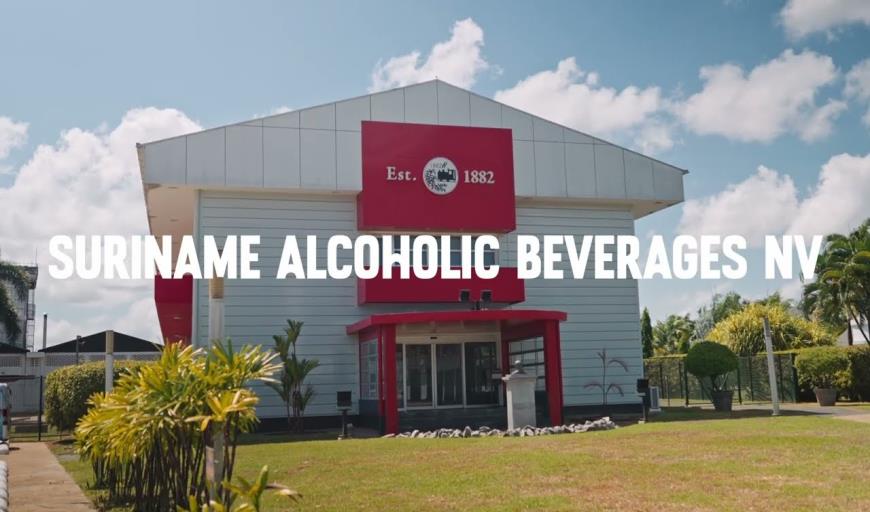
Suriname Alcoholic Beverages N.V. headquarters building

Welcome to our HSEQ standards

This HSEQ induction training covers our standards for Health, Safety, Environment and Quality (HSEQ). Together we maintain a safe, healthy, and sustainable workplace.

This is a summary — not the full document. Download the PDF for all 21 rules, site instructions, and the induction assessment.

HSEQ policy

Our objectives

At SAB N.V., not only the quality of our products is central, but also care for the environment and the health and safety of all our employees, contractors, and visitors.

Our core values

Health, Safety, Environment & Quality

Health & safety

No task, deadline, or production target is so important that it should put our health and safety at risk. Unsafe? STOP the work and report it immediately.

Environment

Environmental protection is a shared responsibility. Prevent spills and contamination, use energy, water, and raw materials efficiently, and sort waste correctly.

Quality

Quality is our calling card. We follow procedures and standards to ensure the quality of our products and services.

Shared responsibility

Every employee, visitor, and contractor contributes to working safely, protecting health, respecting the environment, and ensuring quality.

SAB at a glance

Structure, team & certifications

SAB N.V. comprises SAB, SABD, and Het Surinaamsch Rumhuis. The overview shows our organizational structure, headcount by unit, certifications, and products.

Infographic showing SAB structure, male and female employee counts by unit, certifications, and products
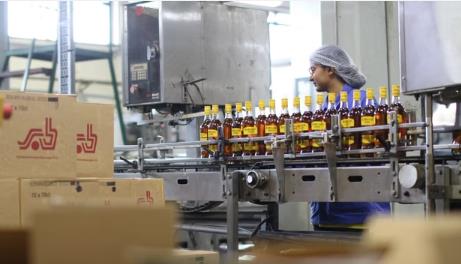
Employee wearing a hair net monitoring the SAB bottling line

Working safely

PPE and quality on the production line

Our employees follow strict hygiene and safety protocols in production and storage — from hair nets and workwear to controlled bottling processes.

Risk management

Hierarchy of Controls

Control hazards by applying the most effective measures first. SAB applies the internationally recognized hierarchy of controls — from elimination to PPE as the last line of defense.

Hierarchy of controls pyramid: elimination, substitution, engineering controls, administrative controls, and PPE
1

Elimination

Remove the hazard entirely where possible.

2

Substitution

Replace the hazard with a safer option.

3

Engineering controls

Isolate people from the hazard through technical measures.

4

Administrative controls

Adjust work methods, training, and procedures.

5

PPE

Protect the worker with personal protective equipment.

SAB N.V. rules

Key safety rules

The rules below are essential on our site. The full induction document contains all 21 rules — download the PDF below.

1

Drugs & alcohol

You must be completely free from drugs and alcohol in order to work safely and responsibly.

5

Restricted access

Hazardous areas must be cordoned off with red Danger tape. Only authorized personnel may enter restricted zones.

8

Working at heights

Above 1.8 meters without an approved platform, fall protection is mandatory.

12

Mobile phone use

No calling, texting, or other phone use while driving or in production and warehouse areas.

19

Incident reporting

Report all incidents immediately to your supervisor. Incident reports must be submitted to HSEQ on the same day.

20

Safety training

Everyone — including contractors and visitors — must complete safety training before entering production or construction areas.

21

Work permits

A written work permit is required before high-risk activities, based on an approved Job Hazard Analysis.

Production & warehouse

PPE requirements in production areas

In Packaging, M&B, Barrel warehouse, and raw material storage, additional hygiene and safety requirements apply:

Safety helmet and site rules at the SAB site
  • Safety glasses mandatory at conveyors, open fillers, glass, alcohol, and chemicals
  • Wash hands (min. 20 sec.) and disinfect before entering production areas
  • Face mask mandatory near open raw materials or product
  • Hair net worn correctly over ears; beard net where applicable
  • Safety shoes or steel-toe boots in production, storage, and TD areas

Traffic rules

Walking & traffic routes

  • Walk within yellow markings — especially without required PPE
  • Maximum speed: 15 km/h — reverse parking required
  • Badge must remain visible at all times
  • On walking routes: no helmet/safety shoes, but closed shoes required

Facilities

Site & amenities

Parking

Visitors: parking at main entrance. Staff: parking area behind SAB.

Sanitary facilities

Production staff: toilets/showers with yellow doors. Other staff/visitors: office, TD, or security.

Food & drink

Meals only in the canteen or approved kitchen areas — not in production or warehouses.

Risk identification

Recognizing hazards

Unsafe act

Behavior or action by a person that increases the risk of an incident — e.g. not wearing PPE or skipping procedures.

Unsafe condition

A situation or physical environment that increases the risk of an incident — e.g. a leak, blocked emergency exit, or defective equipment.

Office safety

Safety in the office

  • Emergency exits clearly marked and free of obstacles
  • Know the locations of first aid kits, AED, and fire extinguishers
  • AED located in the security building at the main entrance
  • Walkways free of trip hazards
  • Set up an ergonomic workstation with good work habits

Site rules

On our premises

  • Visitors must report to security after completing the induction exam
  • Badge/identification is mandatory and must remain visible
  • When the siren sounds: proceed immediately to the assembly point
  • Maximum speed: 15 km/h
  • Safety shoes mandatory (except on walking routes)
  • Smoking and open flames are prohibited
Emergencies

Alarm & evacuation

Evacuation map with assembly points and emergency contacts at SAB

Fire alarm

Stop working, evacuate immediately under the guidance of the emergency responder, and go to the assembly point. Stay there until the responder confirms it is safe.

Workplace accident

Alert the nearest first responder, contact security/reception, and stay with the victim until help arrives.

Assembly points

  • Parking area at the main entrance of the site
  • Stinasu parking area

Evacuation steps

  1. 1.Stop work activities
  2. 2.Turn off PCs, AC, and machines
  3. 3.Close windows and doors
  4. 4.Leave the building via the safest route
  5. 5.Follow instructions from the team leader or first responders

Important numbers

SAB entrance
332
SABD entrance
239
Police
(9) 115
Fire department
(9) 110
Ambulance
(9) 117
On-site hazards

Stay alert for

Electrical hazard

Wet environments and flammable liquids increase the risk of electrical incidents.

Glass breakage

Breaking bottles during washing, filling, or transport.

Fire & explosion

Alcohol (ethanol) as a flammable substance — strict procedures and PPE are essential.

Working at height

Fall hazard when working above 1.8 meters without an approved platform.

Site overview

Site overview & zones

See restricted zones, assembly points, PPE-free zones, and emergency facilities on our site. The legend is shown on the map.

Aerial view of the SAB site with safety zones and legend

Environment

Waste separation & environment

Environmental protection is a shared responsibility. Sort waste correctly — inside and outside our buildings.

Outside

Red bin = mixed waste. Blue bin = PET bottles. White bin = glass. Black metal bin = production waste.

Inside

Kitchens: grey/white bins for household waste. Offices: white bins for paper only.

Waste separation infographic at SAB

Full document

Download the HSEQ induction

The complete induction training includes all 21 rules, site instructions, PPE requirements, evacuation procedures, and environmental guidelines.

After reading, an assessment follows — a minimum score of 80% is required to pass the induction.

Download PDF (EN)